
Strategic thinking in business is the process of evaluating and analyzing a company’s current situation and future goals to create a plan for success. It involves considering both internal and external factors to determine the best course of action. This type of thinking is essential for businesses, as it can help companies stay ahead of the competition, identify new opportunities, and make better decisions.

Here are some key components of strategic thinking in business:
SWOT Analysis: This involves examining the strengths, weaknesses, opportunities, and threats of a company. This analysis helps companies identify what they’re doing well, what they need to improve, and what opportunities they have to take advantage of.
Long-term vision: this basically refers to the company’s ambitious, future-oriented goal and the strategies and plans to achieve it. strategic thinking outlines the organization’s purpose, values, and direction for the next several years to a decade, providing a framework for decision making, resource allocation, and continuous improvement. A clear long-term vision helps organizations stay focused and aligned, while also inspiring and guiding employees and stakeholders towards achieving the company’s goals and objectives. It should guide its decision-making and strategic planning, and take into account the company’s strengths and weaknesses, as well as its goals and objectives.

Competitive analysis; strategic thinking involves evaluating the strengths and weaknesses of a company’s competitors to inform its strategic planning and decision-making. It involves researching and analyzing the competition’s products, services, market positioning, marketing strategies, target audience, and other factors that could impact a company’s market share and profitability. The goal of competition analysis is to understand the competitive landscape and identify opportunities for differentiation and improvement. The information gathered can be used to inform a company’s pricing, product development, marketing, and sales strategies. With a good a competitive analysis, companies are able stay ahead of the competition.
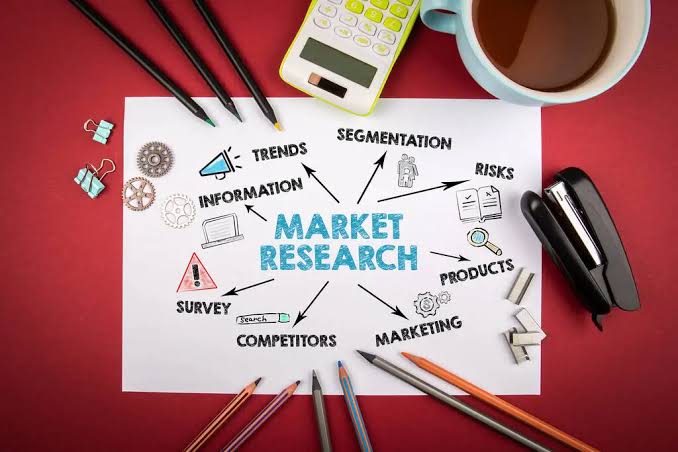
Market research: Companies must understand their target market and customers to make informed decisions. This includes understanding their needs, preferences, and buying habits over time, and it should be able guide the business on positioning itself to meet the changing customer needs and preferences over time.
Resource allocation; Strategic thinking in business involves determining how a company’s available resources (such as money, manpower, equipment, and time) are distributed among various projects, initiatives, or departments. It involves prioritizing and assigning resources based on the organization’s strategic goals, available budgets, and expected return on investment. Effective resource allocation requires careful planning and analysis to ensure that resources are used in the most efficient and effective manner to support the company’s objectives. It is an ongoing process that requires constant reassessment and adjustment to ensure that resources are aligned with changing business needs and priorities.

Adaptability: Strategic thinking involves being flexible and ready to adapt to changes in the market, competition, and other factors. This means being willing to change course if necessary and being open to new ideas and approaches.
Collaboration: Strategic thinking often involves collaboration among team members, stakeholders, and other key players. This helps ensure that everyone is working towards the same goals and that all perspectives are taken into account.
Strategic thinking is a critical part of business success. It requires companies to evaluate their current situation and make informed decisions about their future. By considering internal and external factors, companies can create a plan that takes advantage of opportunities and minimizes threats. By being flexible and adapting to changes, companies can stay ahead of the competition and achieve their long-term goals.


Leave a Reply