
South Sudan has an immense potential to become a great business hub for entrepreneurs in the nation, and the region.
It offers vast market opportunities for investment in different sectors of the economy such as agriculture, trade, manufacturing, Minerals, oil, among others.

These opportunities are not fully exploited due to a number of challenges that faces the business community such as;
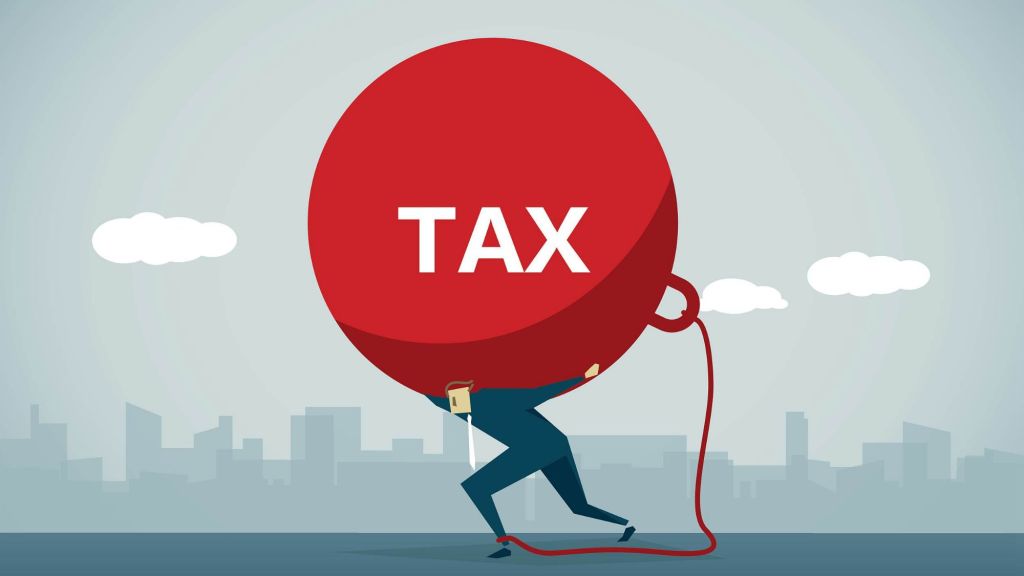
Unfavorable tax policies. The mult-level tax policy in South Sudan imposes high tax burden to businesses which discourage many and potential businesses from being established.
The taxes are imposed at national, state, City and Payam level which subsequently raises the cost of doing business leading to low profits.
This worsens the situation in the country for those who earn a living from trading, given the rising standard of living in South Sudan.
Volatile Exchange rates. The exchange rate keeps fluctuating, due to the depreciating value of the South Sudanese Pounds.

It affects sales and revenue forecasts, payment of suppliers, reduces purchasing power, decrease investor confidence, heightens the inflation in the country to mention a few.
This has significantly affected businesses in South Sudan.
Limited access to quality data. For businesses and Entrepreneurship in general to thrive in any society, people should be able to make informed and data driven decisions in response to market dynamics such as competition, supply and demand, customer behavior, government regulations and policies which have an influence on the performance of entrepeneurial environment.
The absence of data makes it hard to identity these market dynamics let alone making decisions about them.
Data is vital for industry analysis and understanding opportunities within existing value chains, making effective business plans with accurate financial projections, and profitability.
The challenge of data affects both startups and existing businesses.
To address this, there is need for both the private and public sector to invest in data collection and analysis infrastructure, and build systems that strengthen institutions in South Sudan to provide quality data.
Insecurity. The conflict in the country has caused a lot of insecurity in the country which deters the development of businesses.
Insecurity causes disruption of supply chain and operations, fear of losing life and property, heighten corruption and bribery which all limit the growth of businesses in the country.


Leave a Reply